-
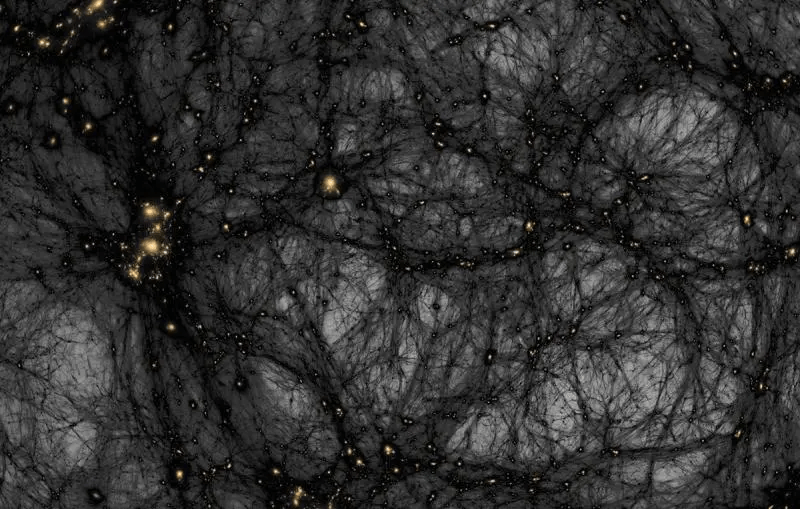
Why Galaxies Don’t Fall Apart: Dark Matter
Galaxies are vast structures held together by both visible and dark matter. Dark matter, an invisible force, stabilizes galaxies and contributes to their longevity.
-
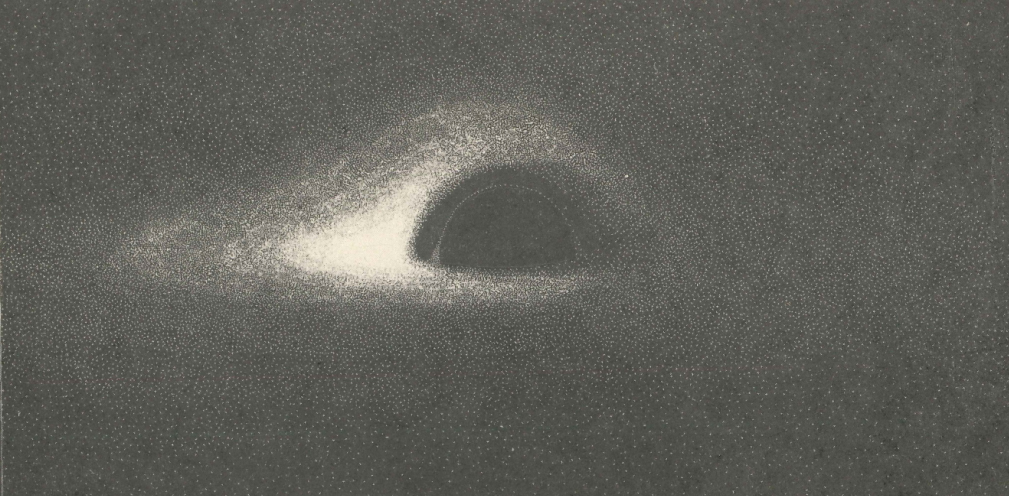
Evolution of Black Holes: Theory to Reality
John Michell first theorized the existence of black holes in 1783, presenting the concept of a “dark star” with gravity so strong that nothing could escape it. This idea was later developed by Einstein’s theory of general relativity and confirmed by the LIGO’s first gravitational wave detection in 2016, marking…
-
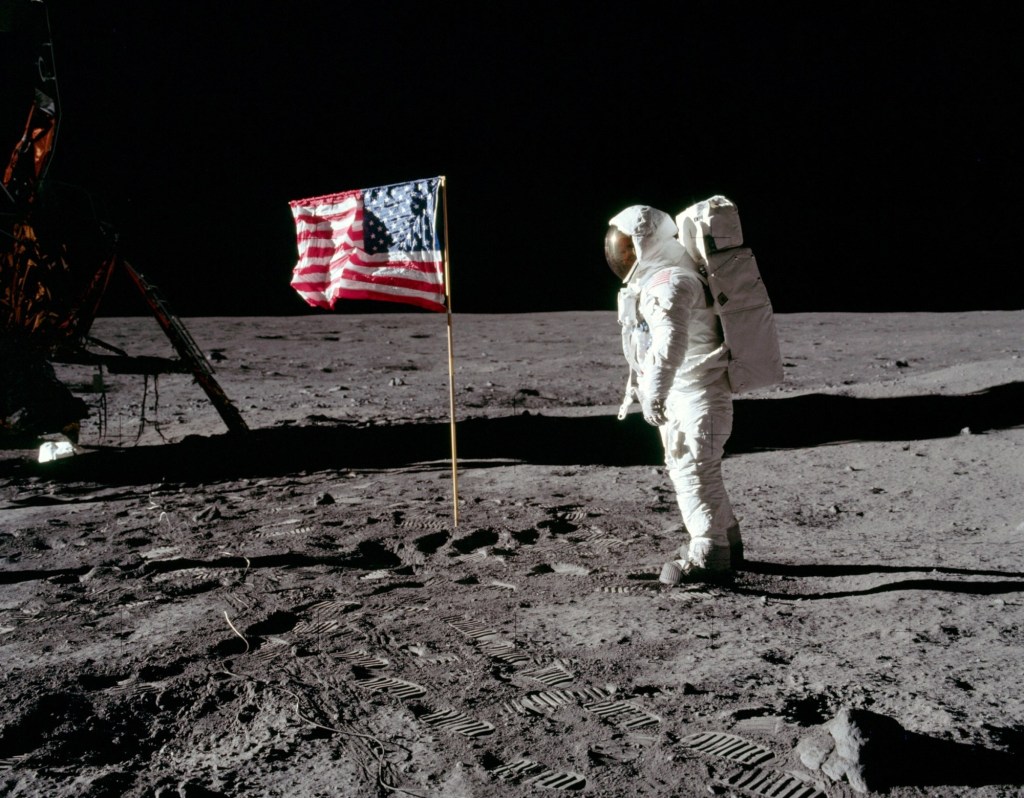
Apollo 11: A Leap for the Moon
NASA’s Apollo 11 mission in 1969 marked humanity’s first successful journey to the Moon, featuring astronauts Neil Armstrong, Buzz Aldrin, and Michael Collins. The mission’s sophisticated Saturn V rocket, extensive planning, and engineering led to Armstrong’s historic moonwalk. Apollo 11 inspired future space explorations, yet no humans have returned to…
-
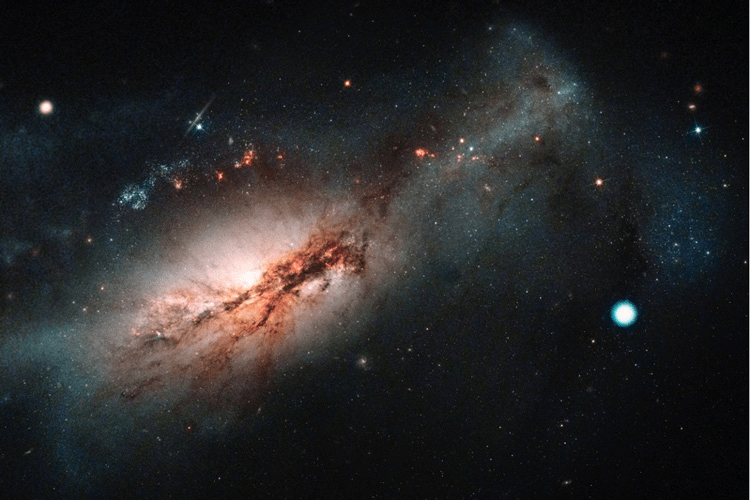
How are Black Holes Born?
The life cycle of stars involves nuclear fusion, leading to their death as white dwarfs, neutron stars, or black holes, depending on their mass at collapse.
-
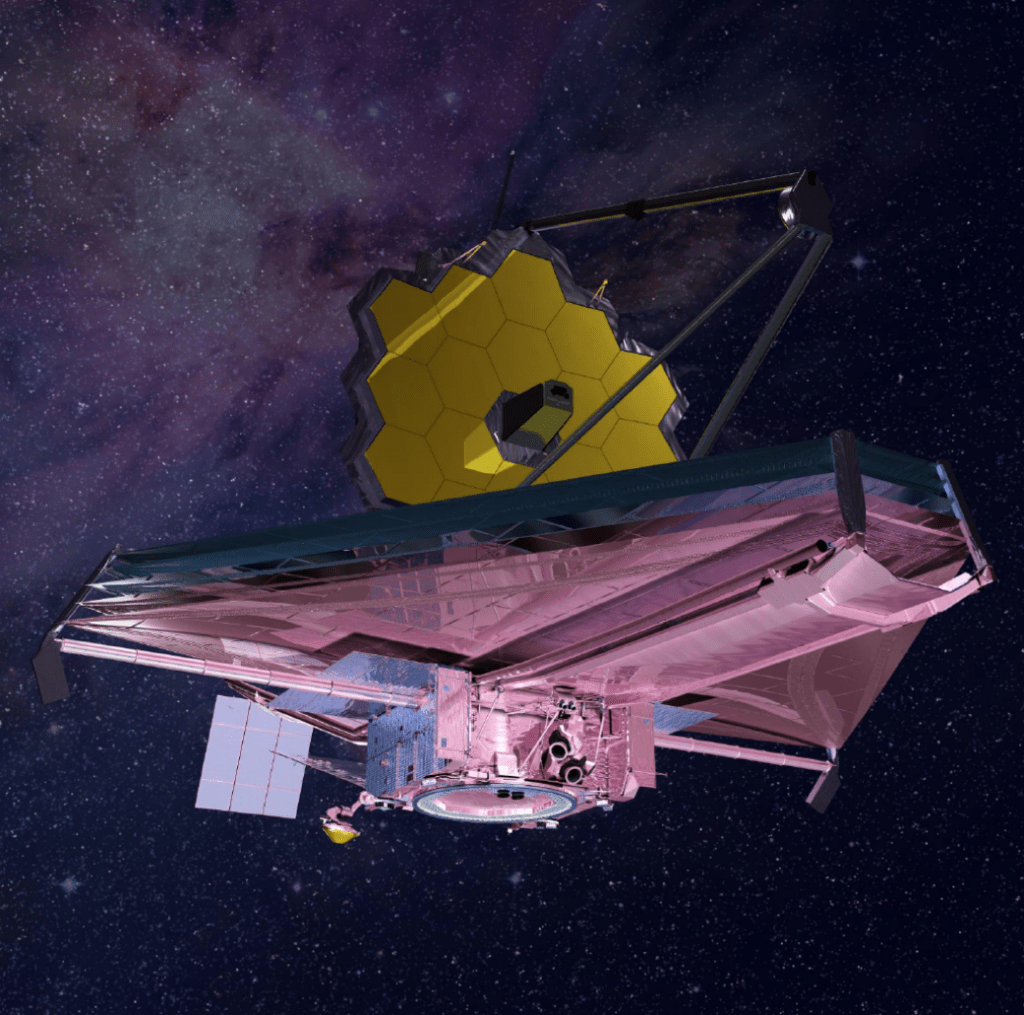
James Webb Space Telescope: A Look into the Past
The James Webb Space Telescope (JWST), launched on December 25, 2021, is a groundbreaking NASA telescope located one million miles from Earth. Unlike Hubble, it observes infrared light, allowing it to penetrate dust and reveal distant galaxies. JWST acts as a time machine, enabling us to explore the universe’s early…
-
Subscribe
Subscribed
Have a WordPress.com account? Log in now.

